 Skip to content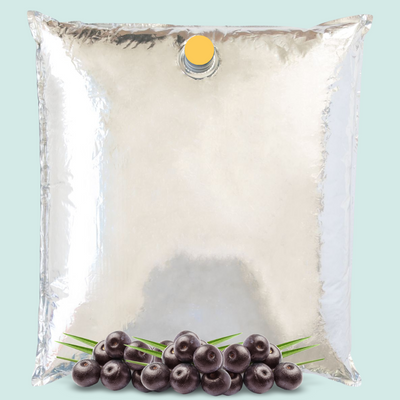
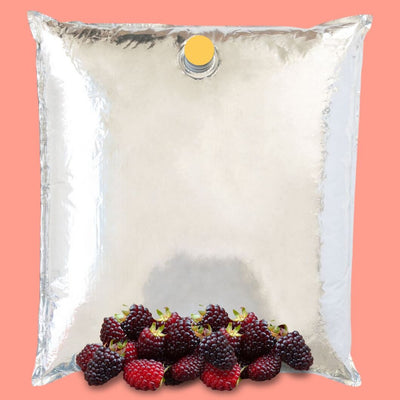
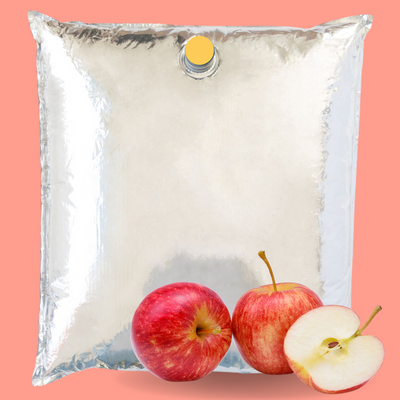

Purees for Fruit Cider Bases
When it’s time to make the perfect cider, there’s no better way to get fresh, amazing flavor profiles than with 100% fruit. Fierce Fruit purees are all-natural, sun-ripened, pasteurized, and ready to use right out of the bag!
No matter what type of cider infusion you’re stirring up, we have the products and tips to help you through the entire process. Upgrade your fermenting game with Fierce Fruit’s bold fruit purees, made to enhance your flavor arsenal and set your delectable creations apart from the rest.
Whether you’re dialing in a seasonal fruit cider, testing a taproom-exclusive batch, or scaling a recipe for distribution, our purees help you add real fruit flavor without extra prep.
Create the Perfect Cider Base
Fierce Fruit first began with a love for delicious flavors. From the mountains of Colombia to the tropical regions of Mexico and Southeast Asia, we source our fruit from experienced farms and processors that provide only the finest sun-ripened, non-GMO fruits at the height of their harvest.
With such sweet ingredients, our purees never need any sugar added. All-natural and made of 100% real fruit, our purees are perfect for adding to traditional or hard ciders for a splash of bold flavor.
Use them to build a cleaner base, brighten an existing fruit cider profile, or create layered flavor combinations with options such as mango, raspberry, or peach puree.


Long-Lasting, Fresh Fruit
At Fierce Fruit, we know you need superior-quality ingredients to get the most out of your cider base. Our aseptic packaging for shelf-stable purees makes your mixing simple.
Our fruit purees last up to 18 months before opening and 10 days in the refrigerator after opening, making it easy to recipe-test your fruit ciders without worrying about product waste!
That flexibility matters when you’re testing gravity, sweetness, acidity, color, and fruit intensity across multiple cider batches. Keep puree on hand, run small trials, and scale the winning recipe when it’s ready.
Join Our Wholesale Program
Make the most mouthwatering cider infusion with purees that are bursting with the strong, bold flavor of sun-ripened fruits. Whether you’re serving crowds or producing large quantities for distribution, our aseptic packaging and high-capacity production make large-scale beverage production simple.
Browse all of our flavors and craft your next signature cider base! Select your options by fruit profile or order by size for bulk orders and wholesale accounts. On top of everything, wholesalers receive special discounts and offers, letting us give back to our loyal customers!
If your production team is planning recurring releases, seasonal rotations, or larger fruit cider batches, wholesale ordering can help keep your ingredient workflow steady.


Design the Perfect Recipe
Our fruit purees are the perfect ingredient to make the most delicious ciders your customers have ever tasted! With smooth, bright flavors and vibrant, saturated colors, our purees are the perfect addition to any fruit cider recipe.
Balance out the sweetness with a tart citrus puree, or bring in beautiful color and exotic flavor with tropical fruit puree. The possibilities are endless!
For best results, test puree additions at different stages of your cider-making process. Some producers prefer adding fruit before fermentation for deeper integration, while others back-sweeten or blend after fermentation to preserve brighter fruit aroma and flavor.
Cider is regulated differently depending on where and how it is sold, so commercial producers should review current guidance from the Alcohol and Tobacco Tax and Trade Bureau before finalizing labels, formulas, or claims.


Frequently Asked Questions
Will I need to add sugar to my hard cider base if I use fruit purees?
Although it’s possible to make hard fruit ciders without adding sugar, the fruit puree may not contain enough natural sugar to reach the level of fermentation required to achieve your target ABV (alcohol by volume). We don’t add any extra sugars or sweeteners, ensuring that you can fine-tune your recipe’s sugar content as needed to reach your desired gravity and dryness.
Does hard cider have to contain apples?
Requirements for labeling and marketing “cider” vary around the world, so check your local regulations. In the United States, cider must be made from at least 50% apples (or apple puree or apple juice).
With that said, you can use many other fruits to make a cider-style base or flavored cider product depending on your formula, market, and label language. For example, cider made from pear puree is commonly known as perry.
How do you stabilize a hard cider?
There are multiple techniques you can use to stabilize your cider infusion after fermentation and before packaging. One popular approach is to ferment the cider dry, back-sweeten it with fresh, unfermented puree, and then pasteurize it.
You can also add preservatives like potassium sorbate or sulfites. Cold crashing, or bringing the temperature down to slow yeast activity and encourage settling, can also support cider clarity and stability. Always choose a method that fits your production setup, packaging plan, and compliance requirements.
Which purees work best for a fruit cider base?
The best fruit puree depends on the cider profile you want to create. Tart fruits can help sharpen sweetness, tropical fruits can add bold aroma and color, and berry purees can bring deep flavor and a vivid finished look.
Popular options include mango, raspberry, peach, passion fruit, blueberry, and apple puree. Start with small test batches to dial in fruit intensity, acidity, and sweetness before scaling production.
When should I add fruit puree to the cider?
Fruit puree can be added before fermentation, during secondary fermentation, or after fermentation, depending on the flavor impact you want. Adding puree earlier can create a more integrated profile, while adding it later can help preserve brighter fruit notes.
The American Homebrewers Association recommends understanding the fruit cider-making process before adjusting ingredients, sweetness, or fermentation timing, especially when building a recipe around fruit additions.